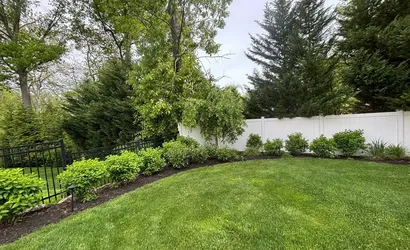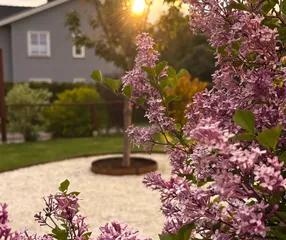

Mulch saves water, smothers weeds and protects roots from freeze and thaw. Here is how much to use and where not to put it.
What mulch does
A layer of organic mulch keeps soil moisture from evaporating, keeps soil temperatures even through July heat and January freezes, and blocks light that weed seeds need to sprout. As it breaks down it adds organic matter, which slowly improves heavy clay soils common around Sandwich and Plano.
Choosing a mulch
Double-shredded hardwood is our default for most beds: it knits together, stays put on slopes and breaks down at a useful rate. Dyed mulches hold color longer. Stone mulch works in rock gardens and next to foundations, but it heats up in summer and does not feed the soil.
How much to use

Apply 2 to 3 inches over bare soil, and top up about an inch each spring. Deeper layers can starve roots of oxygen and hold too much water.

Edge the beds before you mulch. A clean spade edge keeps mulch in the bed and grass out of it.
Pro tip
Keep it away from trunks
Never pile mulch against tree trunks or shrub stems. These so-called mulch volcanoes trap moisture against the bark and invite rot and rodents. Leave a few inches of clearance around every trunk.
Need a hand? Around Sandwich we handle spring cleanup, landscape design, yearly landscape maintenance and fall cleanup. Call (815) 555-0162 for a free estimate.